Medical | Research
Building a Career in Cancer Research at UHS – Dr Jemma Longley’s Story
Behind every research breakthrough is a clinician driven by curiosity, compassion and a determination to make care better for patients. At University Hospital Southampton, research isn’t something that happens alongside clinical practice. It’s embedded within it.
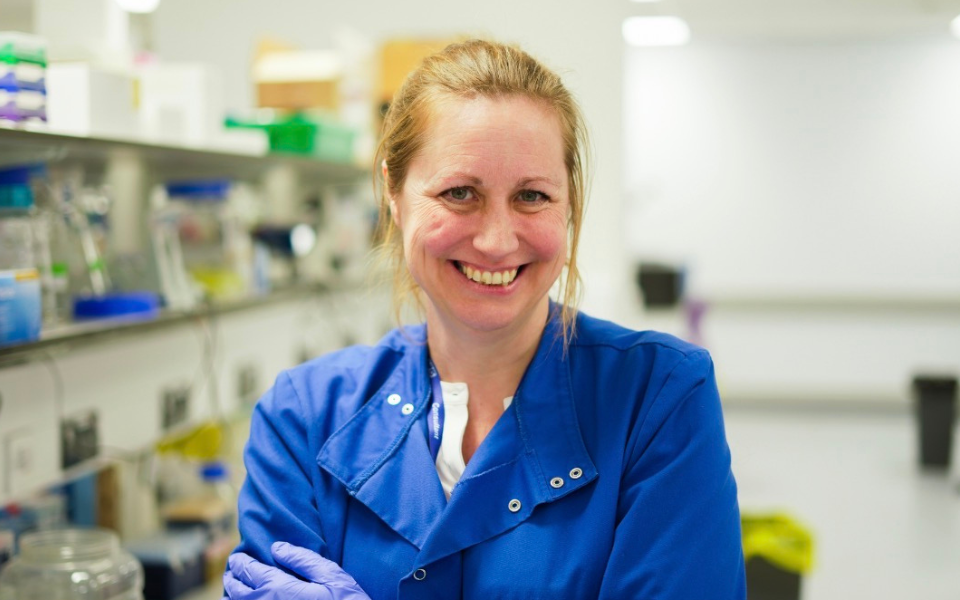
In this spotlight, we meet Dr Jemma Longley, Consultant Medical Oncologist and Chief Investigator of the VIOLET study. From being one of the first widening access medical students at the University of Southampton to leading innovative cancer research with the potential to transform early detection, Jemma’s journey reflects the power of resilience, collaboration and lifelong learning.
Her career has taken her from junior doctor roles across the hospital to international academic stages, while remaining deeply rooted in Southampton and the surrounding areas, both professionally and personally. In this Q&A, Jemma shares the moments that shaped her path, the importance of multidisciplinary teamwork, and why UHS continues to be a place where she feels inspired to deliver and develop exceptional patient care.
What initially inspired you to pursue a career in medicine, and how has your professional journey shaped the doctor you are today?
I was one of the first widening access to medicine students (now called BM6) to graduate from the University of Southampton. I had previously had some health problems which had inspired me to want to help others in a similar situation and had always enjoyed human biology as a subject at school.
I enjoyed all of my junior doctor placements, so thought that general practice was the career for me, but after 6 months I soon realised I missed the hospital and the acuity of patients presenting who were unwell. I resigned from my GP training post and went back into core medical training (now Internal Medicine Training, IMT) and the first job I did was in Medical Oncology which I loved. I knew from this point on I wanted to be an Oncologist.
As healthcare continues to evolve, how do you view your role within the wider system, and how do multidisciplinary collaborations influence the outcomes you achieve?
As cancer becomes more common and ever more complex, the importance of supporting the wider MDT (multidisciplinary team) delivering cancer treatment is more important than ever.
We have nurse prescribers on the ward and in outpatient chemotherapy, acute oncology practitioners who we rely on when dealing with treatment related toxicity. Being an approachable member of the senior team to all is critical to allow these practitioners to thrive and learn in a fast-paced environment and feel supported throughout their careers.
Can you share a moment in patient care that had a profound impact on you or reshaped your approach to practice?
A young patient was dying from cancer and wanted to marry their fiancé but was too unwell to leave the hospital. The whole team pulled together to get them to the hospital chapel before they sadly passed away the next day. This kind of teamworking and putting the patient at the centre of everything we do is my biggest priority.
What current developments in your field, whether technological, scientific, or systemic, have the potential to redefine patient care in the coming decade?
The VIOLET* study is using a tampon to try and work out whether we can pick up signals in vaginal fluid that give an indication of early cancer development. Our hope is the data from this trial will guide the development of a multi-cancer early detection test that is a community-based screening tool that can be used in patients at high risk from gynaecological cancers.
What achievement in your career, big or small, has given you a sense of pride or purpose, and why does it stand out to you?
I presented my PhD research to an academic audience in Canada, who included the Nobel prize winner James Allison who discovered checkpoint inhibitors, which have revolutionised our ability to use a patient’s own immune system to treat different cancers. This was a real honour and gave me a sense of achievement in my own research.
What aspects of the local community, culture, or environment make Southampton or surrounding areas a fulfilling place to build both a career and a life?
I am Southampton born and my family and many friends still live here. I have very fond memories of nights out in Southampton during my teenage years and nights out at Jesters during my medical degree! I now live in the new forest with my husband and two daughters.
What makes UHS a meaningful place for you to practise medicine, and how has the environment or culture here shaped your clinical journey?
I did most of my medical training at UHS as a senior house officer (SHO) and a lot of my medical oncology registrar training. The quality of teaching and supervision has always been excellent, and I have been inspired by many consultants working at UHS over the years. My family are local and have always received excellent care from doctors and nurses at UHS.
What advice would you give to medical students or junior doctors who aspire to build a meaningful and fulfilling career in medicine?
Dive in and grab every opportunity with both hands. Remember the self-care especially when trying to juggle D Level medical cover, Membership of the Royal Colleges of Physicians (MRCP) and life as an SHO!
I loved doing my PhD at the Centre for Cancer Immunology here at Southampton as it was a total change from the day job and allowed me the flexibility to have a family and enjoy the time with my children when they were small.
Coming back to medicine with that added scientific experience was invaluable especially in an academic speciality such as medical oncology. I am now able to combine research and clinical duties as a consultant which makes for a varied and interesting job for the long term. It’s taken 17 years from graduating to finally getting to where I wanted to be in medicine, but I wouldn’t change any of it.
Jemma’s story is a powerful reminder that a career at University Hospital Southampton can take many paths; clinical, academic and everything in between. Whether it’s supporting life-changing patient moments, progressing groundbreaking research, or mentoring the next generation of healthcare professionals, UHS is a place where ambition is encouraged, and potential is nurtured.
Her journey also highlights something at the heart of UHS culture: you don’t have to choose between delivering outstanding patient care and pursuing innovation or research. With the right support, they can strengthen each other.
If you’re looking for a workplace where your work can make a real difference to patients, to science, and to your own career, UHS could be the place for you.
Explore our current vacancies and discover how you can build a meaningful career with UHS. Click here to find opportunities across clinical, research and supporting roles.
*The VIOLET study is funded by a grant from The Eve Appeal, with support from the Southampton Experimental Cancer Medicine Centre
Related Blogs
The Career She Always Wanted, Just Not the Way She Expected: Kim's HCSW Career Journey
More
Meet the Pharmacists Shaping the Future of Healthcare at UHS
More
The People Behind the Bypass: Helen on Perfusion, Pressure and Career Progression
More