Allied health | Career Development and Education
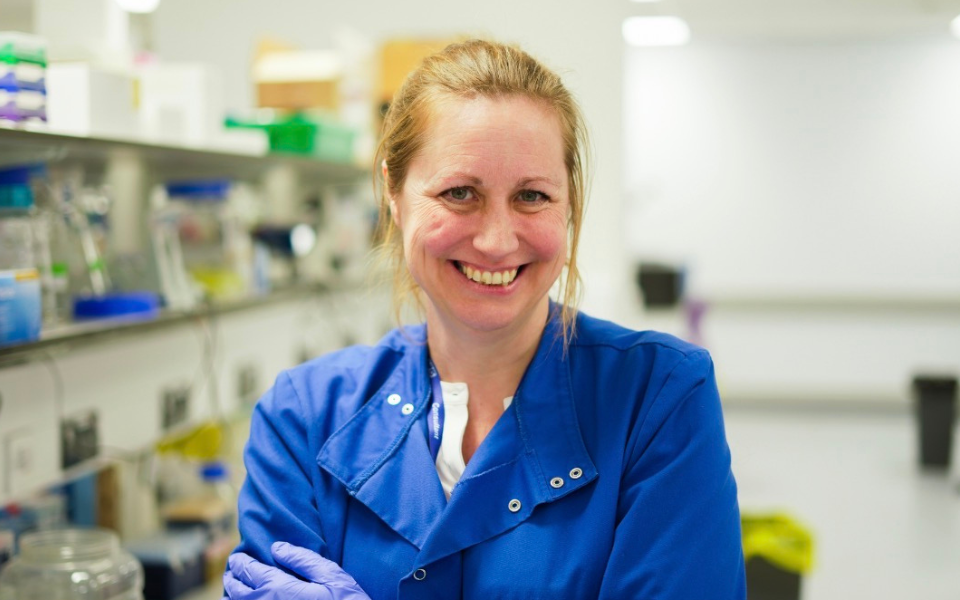
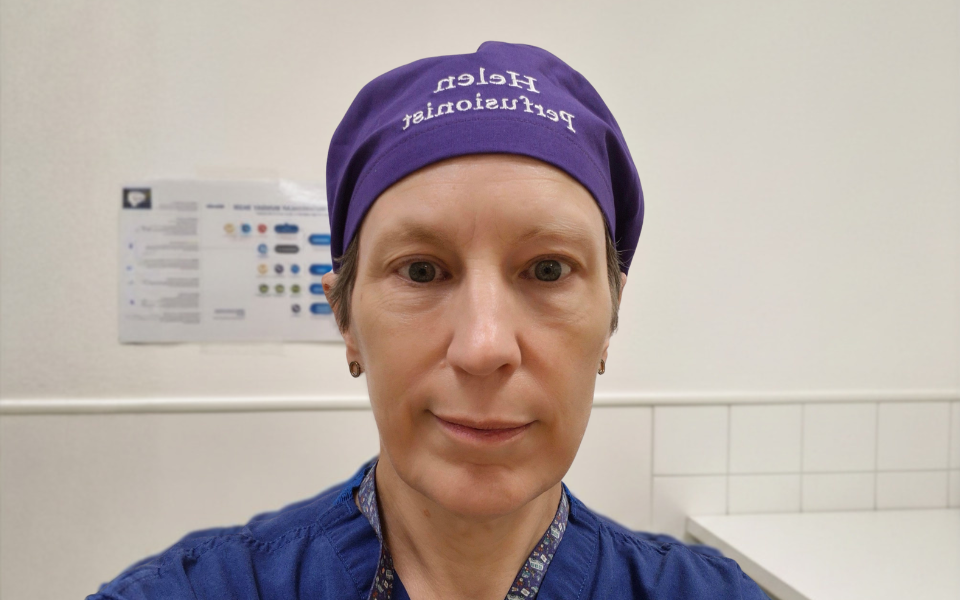
The People Behind the Bypass: Helen on Perfusion, Pressure and Career Progression
Perfusion is one of those professions few people grow up planning to do, yet for those who find it, it quickly becomes impossible to imagine doing anything else. Often hidden from public view, Perfusionists work at the core of cardiac surgery, operating life sustaining technology while navigating complex, high-pressure clinical environments.
At University Hospital Southampton (UHS), Perfusion is practised at the very highest level. As a large teaching hospital and major trauma centre, UHS is known for tackling complex cases, advancing research and developing new ways of working. For Senior Perfusionist Helen, it’s a place where technical expertise, professional trust and human resilience come together and where she has chosen to build her career.
Finding a Way into Healthcare
Before cardiac theatres and bypass machines, Helen’s career was shaped by science rather than surgery. Her early professional life spanned laboratory research, pharmacy, and later quality assurance within public health.
“It was interesting work, and important work,” she explains. “But it could also be very routine. You don’t always see where it leads, or who it ultimately helps.”
While the work supported healthcare at scale, Helen became increasingly aware of the distance between her role and patient outcomes. “I wanted to be involved in fixing the problem,” she says, “not just understanding it.”. So, alongside her weekday role, Helen volunteered in motorsport rescue, working trackside at race circuits and supporting pre‑hospital trauma care at weekends. The contrast was immediate: decision‑making was fast, teamwork essential, and the impact clear.
For Helen, that experience was defining. It showed her where she felt most engaged. “It became clear I was most comfortable when something needed doing,” she reflects. “That responsibility felt right.”
By the time a new career path began to take shape, Helen already had a strong scientific grounding, an instinct for safety, and first‑hand experience of working under pressure.
Finding Perfusion
It was through her work in motorsport rescue that the answer began to surface. Spending time alongside doctors specialising in pre‑hospital trauma, Helen found herself asking questions, not just about individual cases, but about career paths she hadn’t known existed.
One conversation, in particular, changed everything. “Someone just said to me, ‘Why don’t you become a Perfusionist?’ She recalls. “And I remember thinking, what is that? I genuinely had no idea it existed.” At the time, perfusion wasn’t a widely understood role, even within healthcare, but once it was explained, the appeal was immediate.
Perfusion sat at the intersection of everything she had been building towards physiology, technology, problem‑solving and clinical responsibility. It was hands‑on and patient‑focused, but deeply grounded in science. A role where preparation, calm thinking and technical accuracy directly shaped outcomes in the operating theatre. “It just made sense,” Helen says. “It brought together everything I enjoyed and everything I felt had been missing.”
It also offered a way forward without starting again, allowing Helen to build on her scientific background while stepping fully into a clinical environment.
With that clarity came action, visits to departments, learning about the role, applications and the first deliberate steps into a profession she hadn’t known existed, but immediately recognised as the right fit.
Learning to Stay Calm Before the Operating Theatres
Long before operating heart–lung machines, Helen was learning how to manage pressure on race circuits.
As part of a motorsport rescue unit, she trained in vehicle extrication, fire suppression and trauma response, working on trackside alongside doctors and paramedics. The environment was unpredictable and intense, demanding quick judgment, clear communication, and absolute focus.
While cardiac surgery is a very different setting, the principles are strikingly similar. “There are moments in theatre where emotions can run high, particularly in complex or emergency cases,” she says. “Your role is to stay steady, communicate clearly, and keep the patient at the centre of every decision.”
Perfusionists work at the centre of that environment, managing a system that temporarily replaces the function of the heart and lungs. Decisions must be anticipated, adjusted, and reassessed in real time.
For Helen, staying calm under pressure isn’t about personality, but preparation, experience, and working within a supportive team. “And that’s something UHS does well,” she adds. “You’re never truly on your own.”
What Makes Perfusion at UHS different
Helen joined University Hospital Southampton in 2012, at a point in her career where she was looking for more than a new role. She was seeking a department that would challenge her clinically and allow her to broaden her scope of practice particularly into paediatric perfusion.
UHS is one of a small number of centres offering both adult and paediatric cardiac surgery, alongside ECMO and complex aortic work. That breadth creates a demanding and varied environment for Perfusionists, requiring flexibility, depth of knowledge and confidence across very different patient groups.
Paediatric perfusion, in particular, stood out to Helen. She describes it as work that “forces you to think differently, everything is more precise, more tailored,” with no room for a one‑size‑fits‑all approach. Moving between adult and paediatric cases creates a level of variety and challenge that keeps learning continuous rather than episodic.
For Helen, the appeal lies not just in the complexity of individual cases, but in the variety across the service. No two days are the same, and it’s an environment that rewards curiosity and experience in equal measure.
Shaping Practice Through Trust and Innovation
Beyond the case mix, what truly distinguishes perfusion at UHS is the level of professional trust placed in the team. Helen is clear that Perfusionists here are not viewed as technical operators, but as integral clinical contributors whose expertise shapes patient care.
In practice, that means being actively involved in planning and decision making. There are often occasions, Helen explains, when surgeons or anaesthetists consult with the Perfusion Team directly before finalising the plan for a patient, an acknowledgement of the critical role and insight the Purfusionist brings.
That trust extends beyond the theatre. Helen’s contribution to developing perfusion protocols for patients with complex conditions, including sickle cell disease, lupus and pregnancy has been significant. Work that has expanded a small number of standard approaches at UHS to more than thirty evidence‑based guidelines. "It usually starts with recognising that something isn’t working as well as it could,” she explains. “Then it’s about reviewing the evidence, learning from other centres, and building a safer approach.”
For Helen, the ability to identify problems, research solutions and see those changes embedded into practice is one of the most rewarding aspects of working at UHS. Knowing that something she has helped build is actively improving patient outcomes is, “It’s incredibly satisfying,” Helen says, “and not something you get everywhere.”
Together, this combination of case variety, professional autonomy and genuine opportunity to shape practice defines perfusion at UHS. It is a department where experience is valued, ideas are taken seriously, and perfusionists are trusted not just to deliver care, but to help lead it.
A Career That Grows With You
Perfusion is a demanding profession. Long days, on‑call responsibilities and emotional intensity come with the territory. But Helen believes that sustaining a long career requires flexibility and honest conversations about work–life balance. Stating “At different stages of life, you need different things.”
One of the defining features of perfusion at UHS is the option of a three‑day working week, an approach that has become increasingly attractive to both new and experienced perfusionists. “Yes, the days are long,” Helen acknowledges. “But you gain real time back.”
For Helen, that structure made it possible to continue developing her career while raising a young family, without stepping away from the profession she valued. Even now, with teenagers, the balance still matters. “It made a huge difference then,” she reflects, “and it still does.”
Alongside flexible working, changes to on‑call arrangements have also played an important role in making the role more sustainable. Moving to a model with two perfusionists on call rather than one has improved both safety and wellbeing. Helen explains “Having backup changes everything, not only for patients but for staff.”
Together, these practical changes reflect a department that understands the realities of a long perfusion career. At UHS, the focus isn’t just on delivering complex care, but on creating an environment where skilled professionals can continue to do that work well, and for the long term.
Why Southampton Works – For the Long Term
Choosing where to work is rarely just about the role. For Helen, Southampton offered a way of living that complemented the intensity of her work in cardiac theatres, rather than competing with it.
“It doesn’t feel overwhelming,” she explains. Southampton has the convenience of a city, without the sense of constant pressure that can come with larger urban centres. Green spaces are close at hand, from the Common just down the road to the New Forest, only a short drive away.
As her children have grown, Helen has come to value the balance the city offers. It’s a place that gives young people independence while still feeling safe and connected, and one that supports family life alongside demanding careers. “You still recognise people,” she says. “It still feels connected.”
For Helen, that sense of scale has been key to staying long term, both in the city and in her role. It’s a balance she believes many perfusionists are searching for, particularly those considering relocating for specialist work: somewhere that offers professional challenges at work, and space to switch off outside it. In Southampton, she found both.
Advice for Those Considering Perfusion
Perfusion remains a small profession nationally, with a limited training routes and a well‑recognised workforce shortage. Helen is open about what that means for those considering the career, opportunities are rare and understanding the role properly matters.
For anyone seriously interested, her advice is practical and direct. Seeing perfusion in action, she believes, is essential. Visiting a department, talking to people doing the job, and understanding the realities of the role all help to build a clear picture before committing. “If an opportunity comes up and you’re offered a role, take it,” she says. “They don’t come around often.”
For those already qualified and considering their next move, her guidance is even simpler. She states, “If an opportunity comes up and you’re offered a role, take it! They don’t come around often.”
At University Hospital Southampton, perfusion offers more than a technical challenge. It offers the chance to grow professionally, to contribute beyond the operating theatre, and to be trusted as part of a team shaping how care is delivered.
For Helen, it’s a career defined by trust, curiosity and responsibility and by the quiet confidence that comes from knowing you’re making a difference, even when most people never see it.
For those at the start of their perfusion journey, and for experienced practitioners considering their next move, University Hospital Southampton offers a place to learn, specialise and grow supported by trust, flexibility and a genuinely collaborative culture.
Whether you’re actively looking for a new role or simply exploring what your next step could be, discover our current perfusion opportunities at University Hospital Southampton or get in touch to arrange an informal visit and meet the team. (For more information, please email: recruitment@uhs.nhs.uk)
Related Blogs
The Career She Always Wanted, Just Not the Way She Expected: Kim's HCSW Career Journey
More
Meet the Pharmacists Shaping the Future of Healthcare at UHS
More
From Ward Life to Hidden Science: How Amelia Found Her Place Behind the Scenes
More